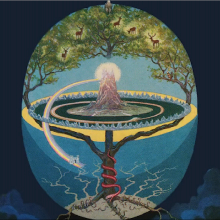
The Elder Edda (Bray Translation) (FULL Audiobook)
Kyzz
Published on Jan 23, 2026
Check out this book
http://free-audio-books.info/the-new-book-of-this-channel/2789/
The Elder Edda (Bray Translation) - audiobook
Sæmund SIGFUSSON (1056 - 1133), translated by Olive BRAY (? - ?)
The Elder or Poetic Edda is a collection of Old Norse poems dating from the thirteenth century CE. Though no two translators or editors seem to agree on precisely which poems should be included in this collection, the Elder Edda is the most important source for Norse mythology and legends of northern European heroes. The later "Younger" or Prose Edda, gathered or transcribed by Snorri Sturluson in about 1220 CE, is the other such source, largely drawing on and even directly quoting from the poetic material of the Elder Edda. Even the uninitiated reader of the Eddas may find them familiar in sound, rhythm, and content because of their considerable influence on the work of J.R.R. Tolkien and his Middle Earth fantasies. Though the Bray edition is entitled "The Elder or Poetic Edda, commonly known as Sæmund's Edda," even at the time of its 1908 publication no scholar still believed that the twelfth-century Icelandic scholar Sæmundur Sigfússon had anything to do with the Poetic Edda; whoever actually compiled and transcribed these old oral myths is unknown to modern scholarship. This recording is of Part I (Mythological Poems), including elegant introductory material by translator and scholar Olive Bray. It does not include the Icelandic of the facing pages in this parallel bilingual edition. ( Expatriate)
Genre(s): Children's Non-fiction, Sagas, Other religions
Language: English (FULL Audiobook)
Add to
Flag Video
Rate video
Rate video
Up next
Recommended
-
Watch Later
 00:01
00:01 -
Watch Later
 11:49:50
The Poetic Edda (1/2) ? By Henry Adams Bellows. FULL Audiobook
164 views 40 days ago -
Watch Later
 05:51:45
The Poetic Edda (2/2) ✨ By Henry Adams Bellows. FULL Audiobook
153 views 40 days ago -
Watch Later
 00:01
00:01The German Looted Art Lie, Edda Goering Interview, Jan 23, 2022
723 views 1500 days ago -
Watch Later
![Edda Schmidt - 9.11.2019 in Bielefeld [Geburtstagsdemo fuer Ursula Haverbeck]](https://goyimtv.st/f_data/data_userfiles/user_media/3223816587/t/2007741766/1.jpg?2) 00:01
00:01Edda Schmidt - 9.11.2019 in Bielefeld [Geburtstagsdemo fuer Ursula Haverbeck]
228 views 544 days ago -
Watch Later
 00:01
00:01Mein Kampf by Adolf Hitler Audiobook (1925) - The Ford Translation (Full)
6.4K views 2067 days ago -
Watch Later
![Origine Elder June Mills Cry for Help for the people of NT]() 00:01
00:01Origine Elder June Mills Cry for Help for the people of NT
335 views 1560 days ago