German Girls in the LandJahr (country year)
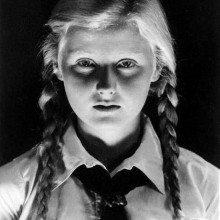
Truth and Bread
Published on Sep 25, 2022
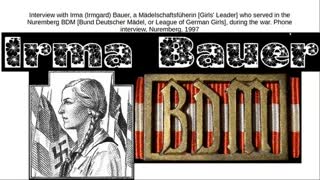
Both in the Hitler Youth and the BDM (Bund Deutscher Mädel, League of German Girls) children did 8 months of service for local farms, This program was called "LandJahr" (which means country year). The program was for children who finished school at 14 years old or older, and it was only mandatory for university students. They performed services such as harvesting straw, washing produce, learning to plow fields, how to take care of horses and livestock, as well as a variety of other daily activities. The boys division, the Hitler Youth, received rifle training during the LandJahr program, often being woken up at 1 AM for night marches. midnight bonfires were a common activity, at which they would perform speeches, sing songs, and play games.
Promotional books were written about the LandJahr which can still be purchased today surprisingly. The title is: wir erleben das landjahr (we experience the country year), written by Hofft Walter.
This information is important because it lays out in detail and what the youth did in their spare time to improve their minds and bodies, so that they developed the skills and knowledge for self reliance. When they reach adulthood, they never have to "discover" themselves, they are never lost wondering what they will do with themselves. They already have all the skills necessary to feed themselves, clothe themselves, and have enough experience to work in virtually any field they desire.
A model example as to how our youth should be prepared for their lives.
Add to
Flag Video
Rate video
Rate video
Up next
Recommended
-
Watch Later
 00:01
00:01WELCOME TO MR ROGERS' NEIGHBORHOOD ♔ WHERE BOYS ARE BOYS AND GIRLS ARE GIRLS
345 views 586 days ago -
Watch Later
 00:01
00:01 -
Watch Later
 00:01
00:01 -
Watch Later
 00:01
00:01 -
Watch Later
 00:01
00:01