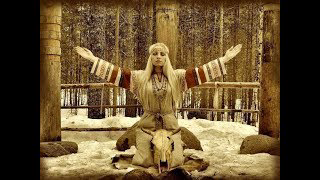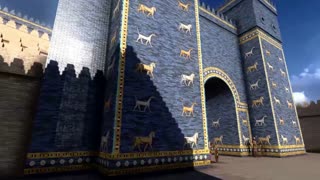
Thracian Legacy and Ancient European History - ROBERT SEPEHR
2LiterJaySTM
Published on Nov 1, 2025
In classical antiquity, Illyria was a region in the western part of the Balkan Peninsula inhabited by numerous tribes of people collectively known as the Illyrians. Besides them, this region was also settled, in various times, by some tribes of Celts, Goths and Thracians. https://atlanteangardens.blogspot.com/2019/06/thracian-legacy-and-ancient-european.html
The Thracians were a group of Indo-European or Aryan tribes inhabiting a large area in Eastern and Southeastern Europe. They spoke the Thracian language – part of the Indo-European language family, and in the Iliad are described as allies of the Trojans in the Trojan War against the Ancient Greeks.
There were about 200 Thracian tribes, with A strong Dacian state appeared in the first century BC, Including the Illyrians, who inhabited part of the western Balkans, which came to be known as Illyria to Greek and Roman authors, who identified a territory that corresponds to Croatia, Bosnia and Herzegovina, Slovenia, Montenegro, Kosovo, part of Serbia and most of central and northern Albania.
The Varna culture belongs to the later Neolithic of northeastern Bulgaria, dated ca. 4400-4100 BC. The Balkans, also known as the Balkan Peninsula, is a geographic area in southeastern Europe.
Robert Sepehr is an author, producer and anthropologist.
http://amazon.com/Robert-Sepehr/e/B00XTAB1YC/
Thank you for supporting Atlantean Gardens!
https://www.patreon.com/user?u=5703352
Add to
Flag Video
Rate video
Rate video
Up next
Autoplay
Recommended
-
Watch Later
 11:27
11:27Ancient Indo-European Expansions and Invasions - ROBERT SEPEHR
842 views 1920 days ago -
Watch Later
 15:55
15:55Ancient Phoenicians, Palestinians, and Aryans in History and Religion - ROBERT SEPEHR
75 views 124 days ago -
Watch Later
 23:56
23:56Ancient History of Ireland, Tuatha Dé Danann, Scythians, and Phoenicians - ROBERT SEPEHR
1K views 1836 days ago -
Watch Later
 23:56
23:56Ancient History of Ireland, Tuatha Dé Danann, Scythians, and Phoenicians - ROBERT SEPEHR
78 views 124 days ago -
Watch Later
 03:34:11
Ancient History, Esoteric Mythology, Occult Mysticism - ROBERT SEPEHR
741 views 1730 days ago -
Watch Later
![European Pre-History and the Oera Linda Book - ROBERT SEPEHR]() 12:54
12:54European Pre-History and the Oera Linda Book - ROBERT SEPEHR
516 views 1650 days ago